 E-mail:lizhi@pxball.cn
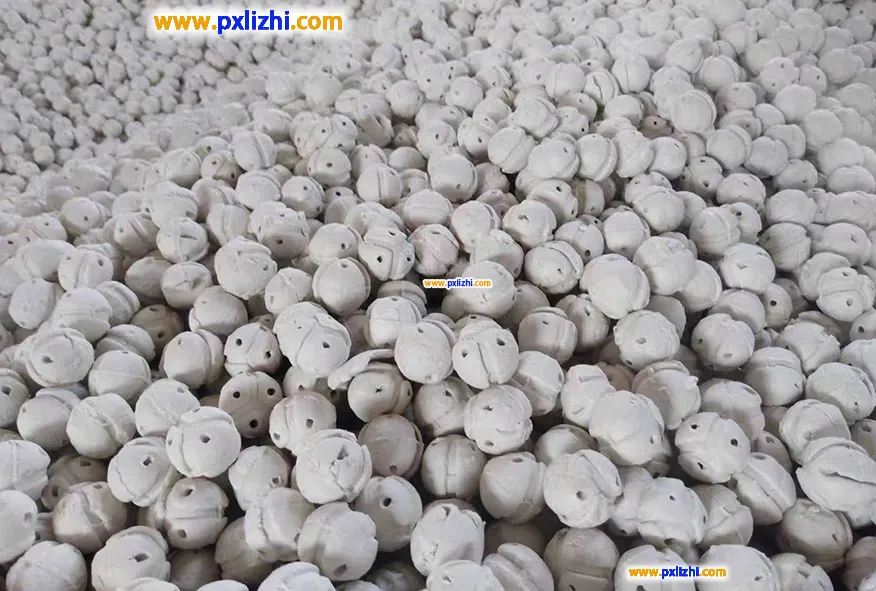
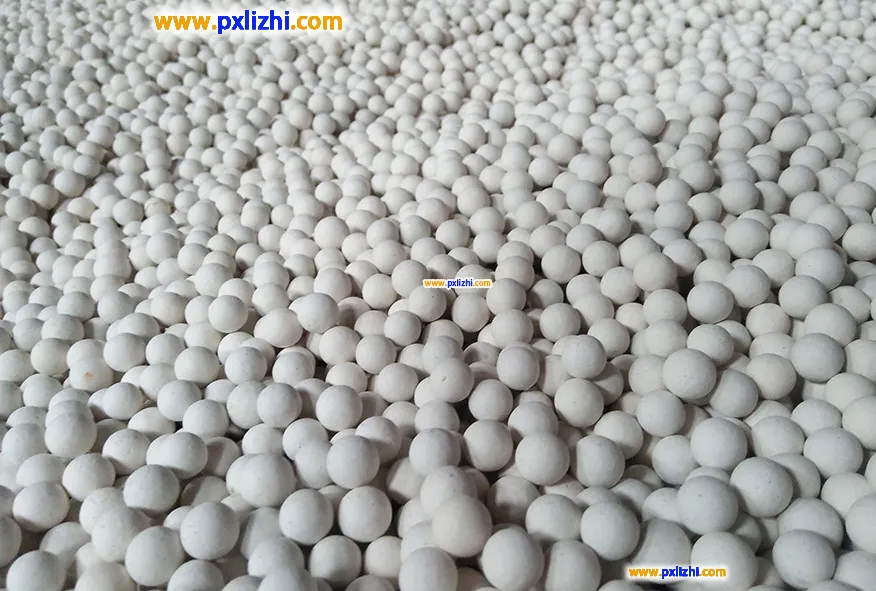
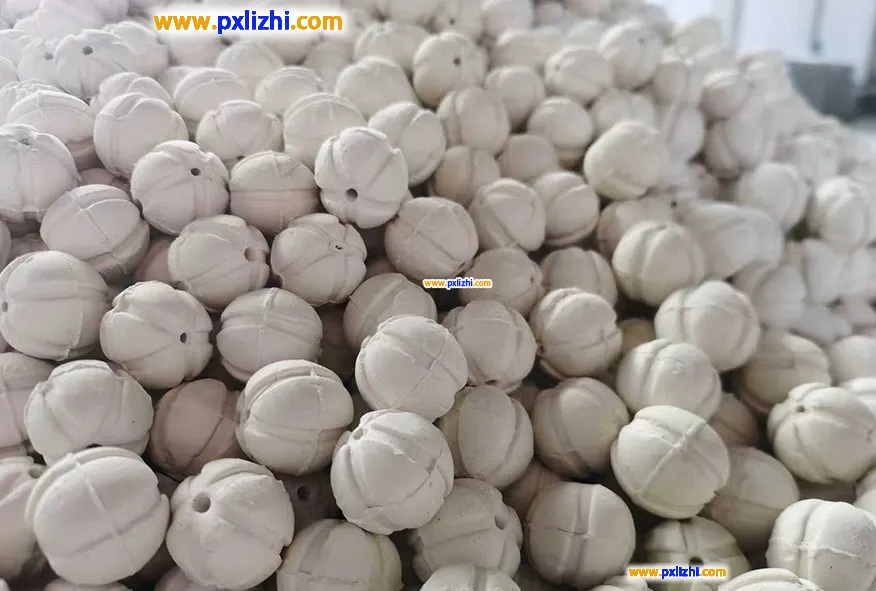
Inert ceramic balls play a critical role across various industrial processes. Their core functions revolve around supporting, distributing, protecting, and filtering, making them indispensable in petrochemical, coal chemical, fertilizer, and environmental protection industries. Below is a comprehensive explanation suitable for professional websites and industrial publications.
Main Functions of Inert Ceramic Balls
1. Catalyst Support and Protection
This is the most essential function of inert ceramic balls, especially in fixed-bed reactors. Catalysts are often fine, costly, and mechanically fragile, and direct loading can lead to uneven stress, abrasion, and breakage. Inert ceramic balls solve these issues through layered filling:
Bottom Support Layer
Large-size balls (e.g., 25 mm, 38 mm) are loaded at the reactor bottom to form a stable supporting bed. They bear the weight of the catalyst layer above, prevent compaction, maintain bed permeability, and avoid pressure build-up or channeling.
Catalyst Layer Separation
Medium-size balls (e.g., 10 mm, 15 mm) are used between different catalysts to prevent mixing, ensure each catalyst functions in its designated reaction zone, and avoid mutual interference.
Top Protection Layer
Small-size balls (e.g., 3 mm, 5 mm) are filled on top of the catalyst bed. They buffer the impact of incoming fluids, reduce catalyst attrition, prevent catalyst carryover, and minimize clogging of downstream equipment.
2. Fluid Distribution and Equalization
Uniform gas and liquid distribution directly affects reaction efficiency and conversion rates. The unique void structure of ceramic balls promotes even flow:
Pre-Distribution at Inlet
Ceramic balls at the reactor inlet break the jetting effect of incoming fluids, converting concentrated streams into evenly dispersed flow and preventing channeling or dead zones.
In-Bed Flow Equalization
Mixing ceramic balls within the catalyst bed adjusts void ratios, increases flow pathways, and enhances contact time between reactants and catalysts, improving conversion and yield.
3. Filtration and Impurity Capture
Inert ceramic balls (especially porous types) provide simple yet effective filtration:
Raw Material Filtration
They trap solid impurities such as dust, catalyst fines, and particulate contaminants before entering reactors, preventing clogging of catalyst pores and mechanical wear.
Product Purification
At reactor outlets, ceramic balls capture catalyst fines or byproduct particles, reducing the load on downstream separation equipment and improving product purity.
4. Heat Transfer and Temperature Regulation
With excellent thermal stability, inert ceramic balls help moderate temperature in exothermic or endothermic reactions:
Heat Dispersion
They act as thermal carriers, dispersing localized hotspots, preventing catalyst sintering or deactivation, and maintaining optimal reaction temperature.
Thermal Buffering
Their high thermal capacity reduces sudden temperature fluctuations, helping keep reactor conditions stable.
5. Equipment Protection and Extended Service Life
Inert ceramic balls protect not only catalysts but also reactor internals and equipment:
- Shield distributors and collectors from abrasion.
- Reduce corrosion by isolating corrosive media from metal surfaces.
- Lower maintenance frequency and extend equipment lifespan.
Industries Where Inert Ceramic Balls Are Used
1. Petrochemical Industry
A primary application field where ceramic balls ensure stable catalytic reactions. They are used in:
- Fixed-bed reactors (hydrotreating, reforming, desulfurization) to support and protect catalysts and distribute feed streams.
- Distillation and absorption towers as support layers for structured or random packing.
- Heat exchangers and coolers to capture impurities and prevent tube blockage.
2. Coal Chemical Industry
Designed to withstand high temperatures and pressures:
- Coal gasification reactors for catalyst support and temperature stabilization, preventing overheating hotspots.
- Syngas purification towers to support desulfurization/decarbonization media and filter solid impurities.
- Methanol synthesis reactors to optimize bed voidage and improve gas–catalyst contact time.
3. Fertilizer Industry
Used in ammonia and urea production equipment:
- Ammonia synthesis reactors for catalyst support and protection under high-pressure gas flow.
- Shift converters to trap dust and prevent catalyst pore blockage.
- Urea synthesis towers to intercept crystalline particles and prevent pipeline clogging.
4. Environmental Protection Industry
Leveraging their chemical stability and filtration functions:
- Wastewater treatment filters as support layers for activated carbon or quartz sand.
- Exhaust gas adsorption towers to support adsorbents and separate different adsorption layers.
- SCR denitration reactors to support catalysts and buffer flue gas impacts.
5. Other Industries
- Pharmaceuticals: for catalyst support and impurity filtration in synthesis and distillation systems.
- Food chemical production: filtering fermentation impurities and protecting separation equipment.
- Metallurgy: supporting tail-gas purification catalysts and reducing particulate emissions.