
 E-mail:lizhi@pxball.cn
Typical Service Life (Reference Only)
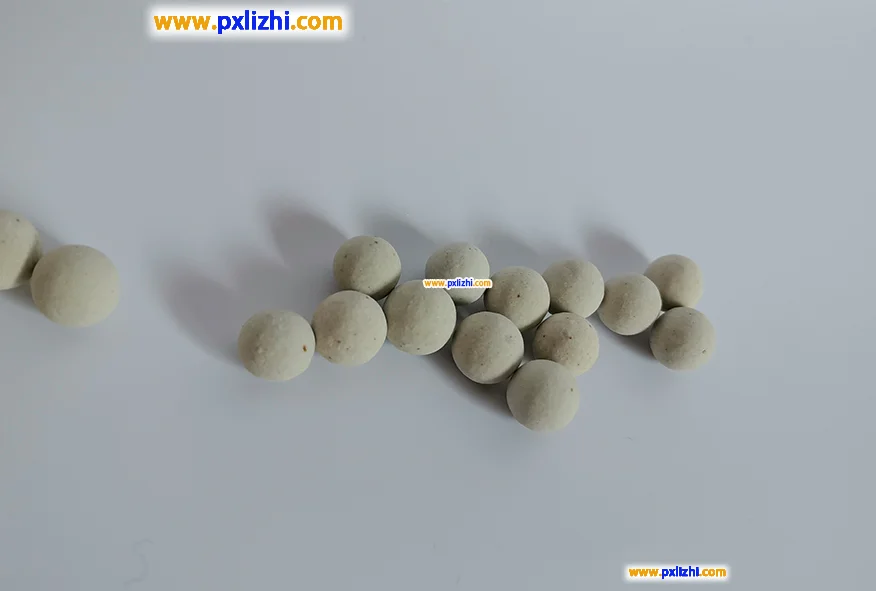
The actual service life of inert ceramic balls depends on operating temperature, pressure, flow rate, and chemical environment. Under normal conditions, the following ranges are commonly used as industry references:
- Severe operating conditions
(High temperature ≥ 800°C, high pressure, strong corrosion, high flow rate):
1–2 years - General operating conditions
(Medium temperature ≤ 600°C, normal pressure, non-corrosive):
3–5 years - Mild operating conditions
(Ambient temperature, low pressure, low flow rate):
5–8 years
Actual service life may vary. Regular inspection is strongly recommended.
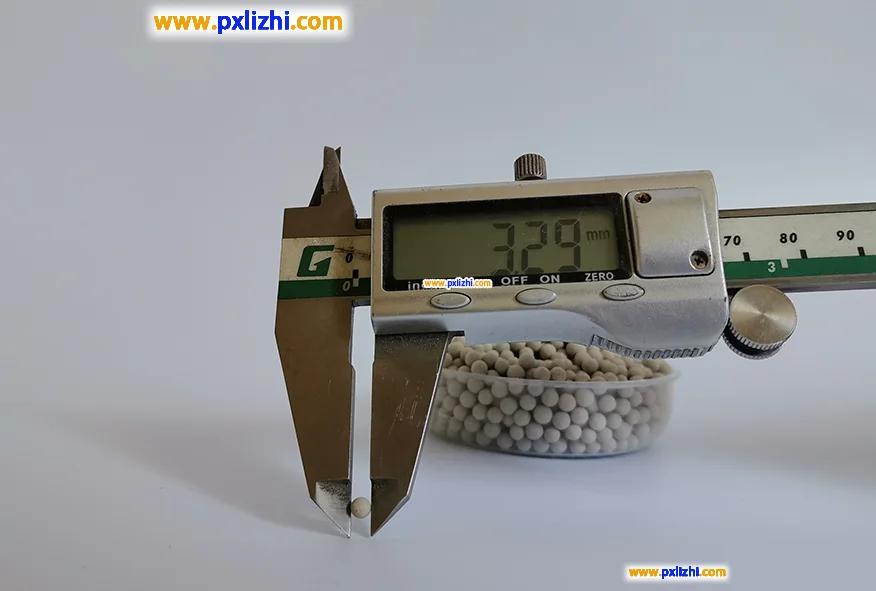
When Should Inert Ceramic Balls Be Replaced?
Inert ceramic balls should be replaced when any of the following conditions are observed:
- Visible breakage, cracking, pulverization, or ceramic dust accumulation
- Collapse, channeling, or unevenness of the support layer
- Sudden increase in pressure drop or unstable flow during operation
- Abnormal temperature distribution inside the reactor or column
- Decline in product quality or accelerated catalyst consumption
If multiple symptoms occur simultaneously, immediate replacement is recommended to prevent equipment damage and unplanned shutdowns.
Maintenance & Replacement Recommendations
- Inspect ceramic balls during every scheduled shutdown or turnaround
- Local damage → partial replenishment is acceptable
- Damage exceeding 30% of the layer → full-layer replacement is recommended
- Always select ceramic balls with alumina content and strength matched to actual operating conditions, rather than over- or under-specifying
Summary:
Properly selected and well-maintained inert ceramic balls provide long service life and stable operation.
Timely replacement helps protect catalysts, reduce pressure drop, and ensure continuous, safe production.