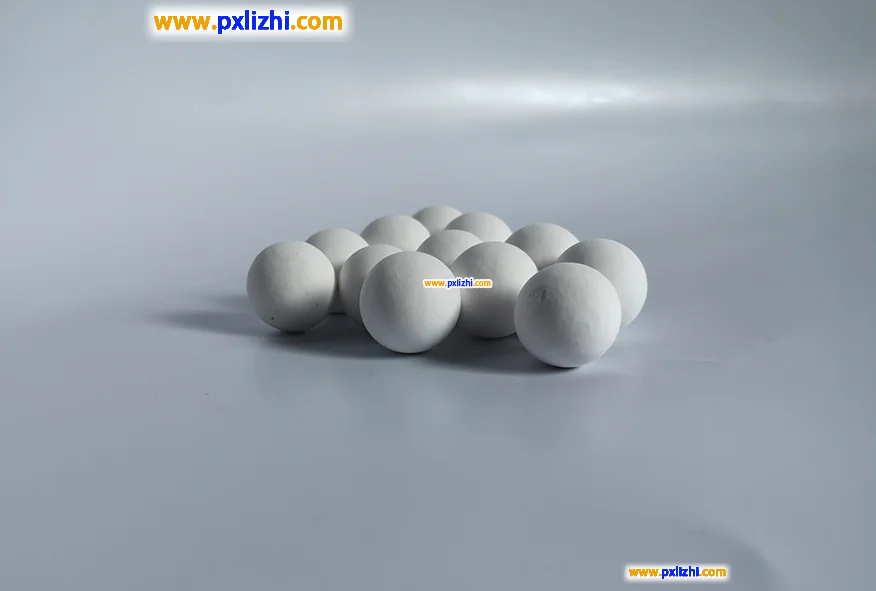
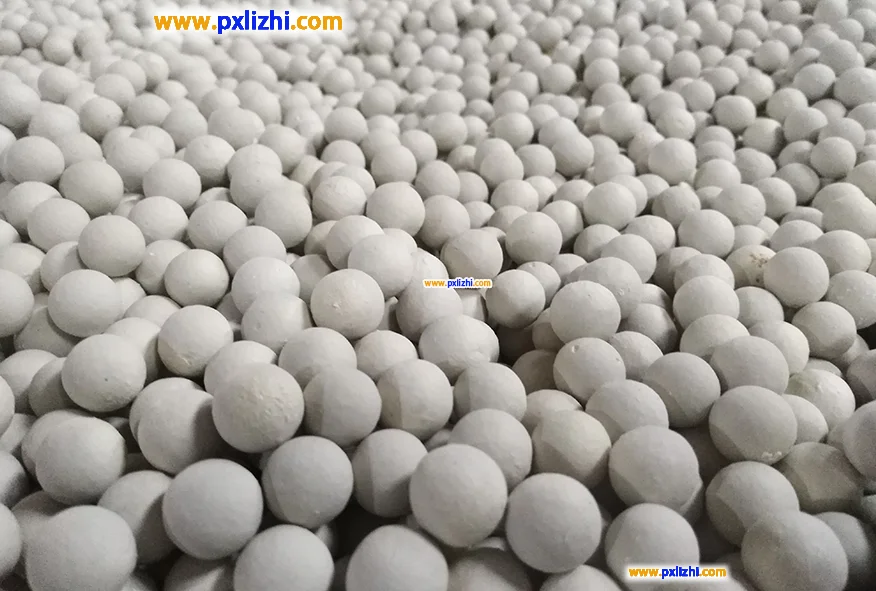
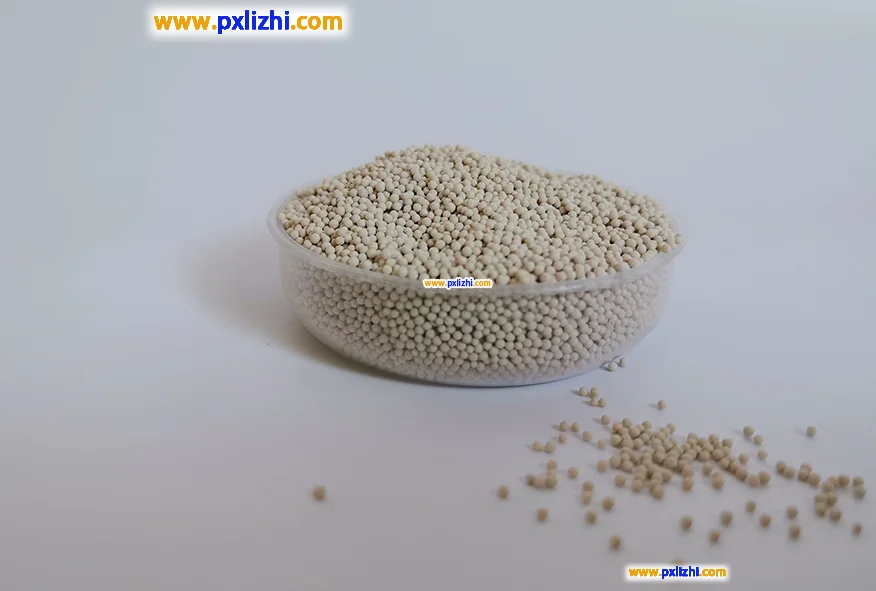
Withstand High Pressure Inside EquipmentInert ceramic balls are widely used as support media in reactors and towers. Under heavy bed height and high pressure, only high-strength ceramic balls can avoid crushing and powdering, preventing packing collapse.
Prevent Damage During Transportation and LoadingImpact and friction occur frequently during shipping, loading, and unloading. High-strength inert ceramic balls resist breakage and chipping, maintaining complete particles and reducing material loss.
Ensure Smooth Gas and Liquid FlowIntact spheres maintain uniform void space. Good strength avoids blockage, keeps pressure drop stable, and ensures uniform gas and liquid distribution for efficient equipment operation.
Protect Catalysts and Internal ComponentsHigh-strength balls produce almost no fine powder, avoiding catalyst contamination, clogging of distributors and pipelines, and reducing maintenance frequency and operating costs.
Resist High Temperature and Thermal ShockChemical plants often experience rapid temperature changes. High-strength inert ceramic balls resist cracking and spalling under thermal stress, ensuring long-term stable operation.
Extend Service Life and Lower CostsSuperior strength means better wear resistance and pressure resistance. High-quality inert ceramic balls last longer, reducing replacement costs and unexpected shutdowns.
What Are the Effects of Poor Strength in Inert Ceramic Balls?
Easy Crushing and Powdering, Clogging the Reactor BedLow-strength inert ceramic balls break and turn into fine powder under pressure and impact. This reduces bed voidage, causes severe clogging, and increases pressure drop.
Uneven Gas and Liquid Distribution, Reducing Operating EfficiencyBroken spheres disrupt gas and liquid flow paths, causing channeling and maldistribution. This reduces efficiency in reaction, absorption, and separation processes.
Contaminate Catalysts and Shorten Catalyst LifeFine dust from broken balls covers catalyst surfaces and blocks micropores, reducing catalytic activity and increasing catalyst replacement costs.
Damage Tower Internals and Increase Equipment Failure RiskFine particles enter distributors, collectors, pipelines, and pumps, causing abrasion and blockage, leading to equipment failures and unplanned maintenance.
Support Layer Collapse Causing System ShutdownAs a support layer for catalysts and packing, weak inert ceramic balls can cause overall bed collapse, resulting in costly unplanned plant shutdowns.
Greatly Shortened Service Life and Higher Total CostsFrequent breakage requires repeated shutdowns for cleaning and reloading. This increases costs for labor, materials, and production loss.

 E-mail:lizhi@pxball.cn