
 E-mail:lizhi@pxball.cn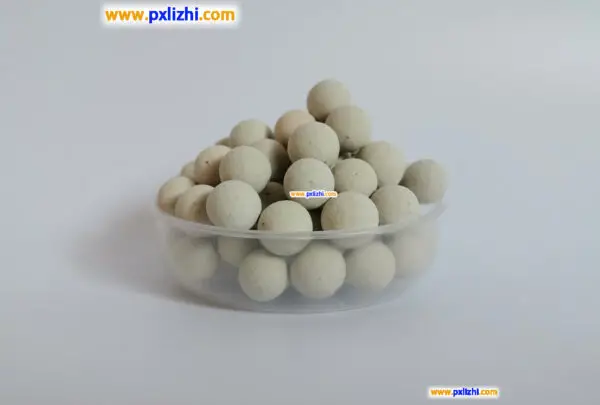
Inert ceramic Ball FAQ
1. What is an inert ceramic ball?
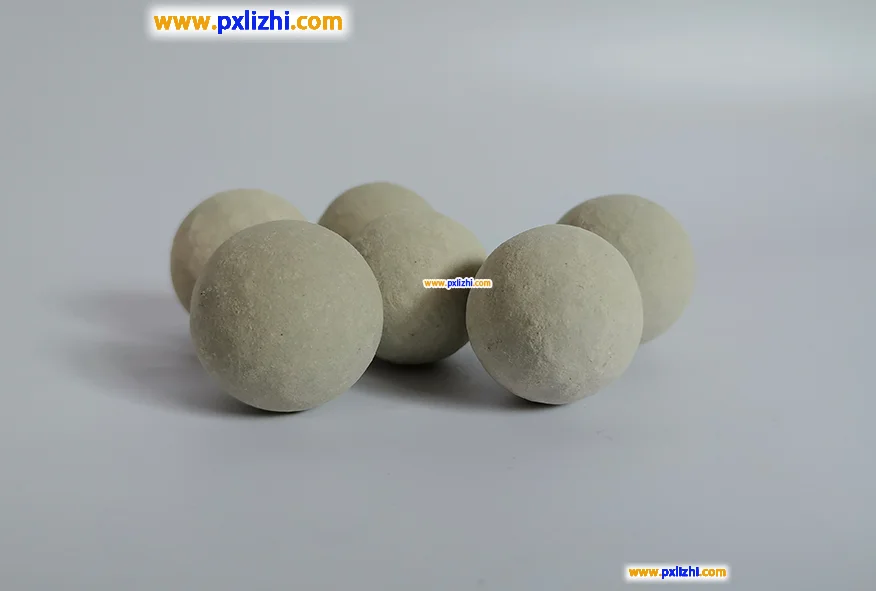
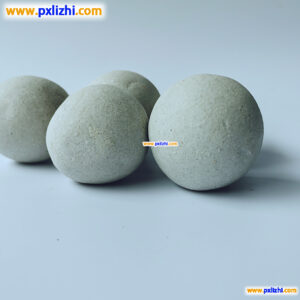
Inert ceramic ball is a kind of industrial ceramic product with high temperature resistance, corrosion resistance and high mechanical strength. It is mainly used as catalyst support, tower packing and grinding medium in chemical, petroleum, environmental protection and other industries, and does not participate in chemical reactions during use.
2. What are the main materials of inert ceramic balls?
The main material is alumina (Al₂O₃), with purity ranging from 92% to 99.9%. In addition, there are special materials such as mullite and cordierite, which are selected according to different working conditions.
3. What are the common specifications of inert ceramic balls?
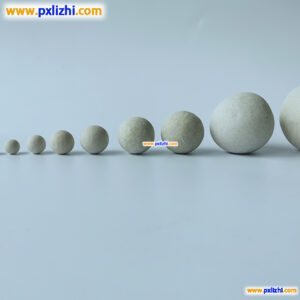
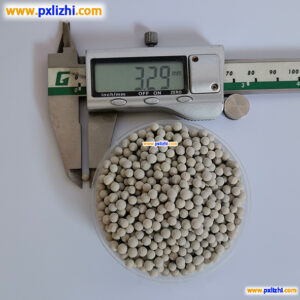
The common sizes are 6mm, 10mm, 13mm, 16mm, 20mm, 25mm, 38mm and 50mm. Customized sizes can be provided according to customer needs.
4. What is the difference between Indian and Chinese inert ceramic balls?
Chinese inert ceramic balls have advantages in high-end products, with higher purity, better performance and more stable quality; Indian inert ceramic balls have obvious price advantages, which are 30%-50% lower than Chinese similar products, and are suitable for mid-low-end working conditions.
5. What is the HS code for inert ceramic balls in international trade?
The core common HS code is 6909190000, which is applicable to most inert ceramic balls; 6909110000 is suitable for high-purity (above 99%) products; 6914100000 is applicable to special structure products such as open-cell ceramic balls.
6. What is the minimum order quantity (MOQ) for inert ceramic balls?
Most suppliers support MOQ of 100kg. For bulk purchases (more than 1000kg), you can get a preferential price. Indian suppliers have more flexible MOQ policies.
7. What are the main application scenarios of inert ceramic balls?
It is mainly used in chemical industry (catalyst support in reaction towers), petroleum refining (tower packing), environmental protection (wastewater treatment equipment), metallurgy (grinding medium) and other fields.

8. How to choose a suitable inert ceramic ball supplier?
Focus on supplier qualifications (certifications such as ASTM and API), product quality (detection report COA), price, delivery time and after-sales service. It is recommended to conduct small-batch trial orders for the first cooperation.

Reviews
There are no reviews yet.