
 E-mail:lizhi@pxball.cn
What are ceramic balls used for?
What are ceramic balls used for? Due to their excellent properties such as high hardness, wear resistance, high temperature resistance, and corrosion resistance,
What are ceramic balls used for? Read More »

What are ceramic balls used for? Due to their excellent properties such as high hardness, wear resistance, high temperature resistance, and corrosion resistance,
What are ceramic balls used for? Read More »
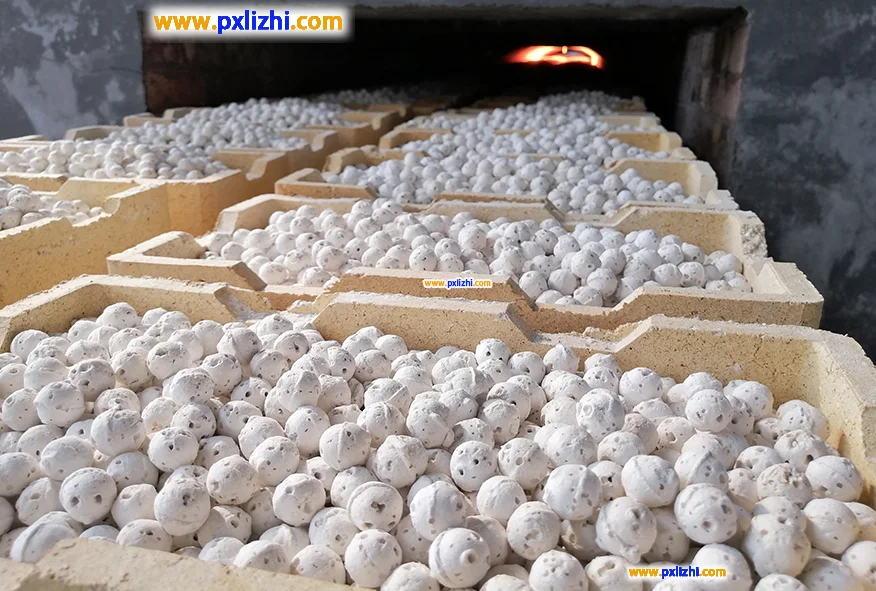
What is the use of catalyst balls? What are their advantages? What factors affect their service life? What role do they play? All these questions are answered here because we are a catalyst ceramic ball factory.
What are catalyst balls used for? Read More »
What is a ceramic ball made of? A ceramic ball is a spherical object made of ceramic materials through specific processes. The different raw materials and manufacturing techniques used will result in different properties and applications for it. Here is a detailed introduction about the materials used to make ceramic balls and related content: I.
What is a ceramic ball made of? Read More »
Is ceramic an inert material? This requires a comprehensive judgment based on its chemical composition, structure, and practical application scenarios. The following is a detailed analysis from aspects such as definition, material properties, and actual performance
Is ceramic an inert material? Read More »
What are the differences between alumina balls and ceramic balls? In fact, there are significant differences in material composition, performance characteristics and application scenarios between alumina balls and ceramic balls. Here are the specific differences:
What is the difference between alumina balls and ceramic balls? Read More »
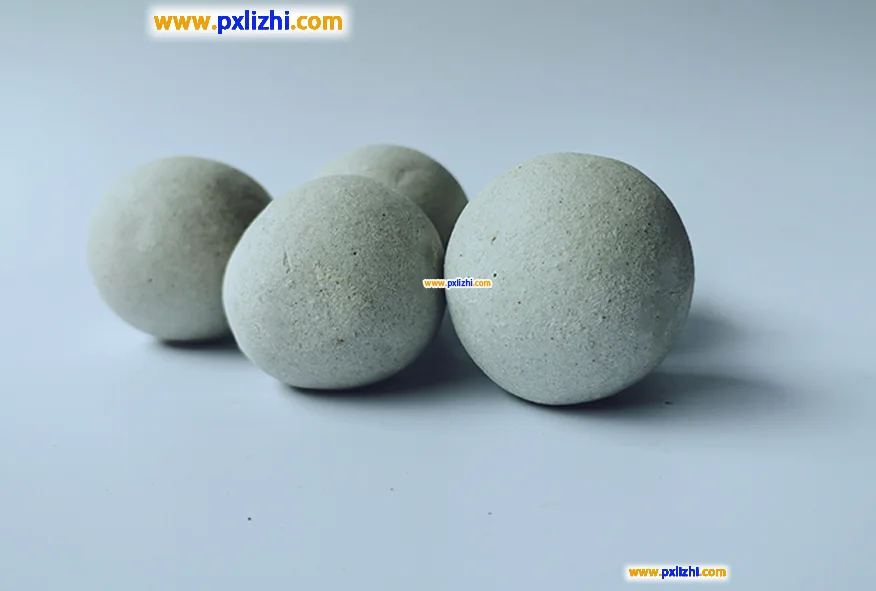
What is the purpose of ceramic balls?one must first know what types of ceramic balls there are? Different types of ceramic balls have different applications.
What is the purpose of ceramic balls? Read More »
I. What are inert ceramic balls? Inert ceramic balls are spherical ceramic products made from raw materials such as alumina and kaolin through processes like batching, molding, and sintering. Their “inertness” is reflected in their extremely inactive chemical properties, hardly reacting with acids, bases, salts, and other substances, and being able to withstand high temperatures
What are inert ceramic balls? Read More »
The strength of inert ceramic balls is one of its important performance indicators. If the strength is insufficient, it will cause a series of problems in practical applications. The specific impacts are as follows: I. Direct Impact in Industrial Applications 1. Decreased mechanical properties, shortened service life Increased risk of fragmentation: When subjected to pressure,
What would happen if the strength of the inert ceramic balls is not good? Read More »
Preface The main components of inert ceramic balls are aluminium oxide, silicon dioxide, etc. The content of aluminium oxide directly affects their chemical and physical properties, while ferric oxide is an impurity component, the less the better. Main Components Silicon dioxide (SiO₂): It is one of the main components of inert ceramic balls, with a
The main components of inert ceramic balls Read More »
What are the application fields of inert ceramic balls? Inert ceramic balls, with their excellent chemical inertness, high-temperature resistance, mechanical strength and structural stability, play a crucial role in various industrial fields. The following is an analysis of their main application fields and specific scenarios: I. Petrochemical Industry 1. Catalytic Reaction Equipment Application scenarios: Catalytic
What are the application fields of inert ceramic balls? Read More »