
 E-mail:lizhi@pxball.cn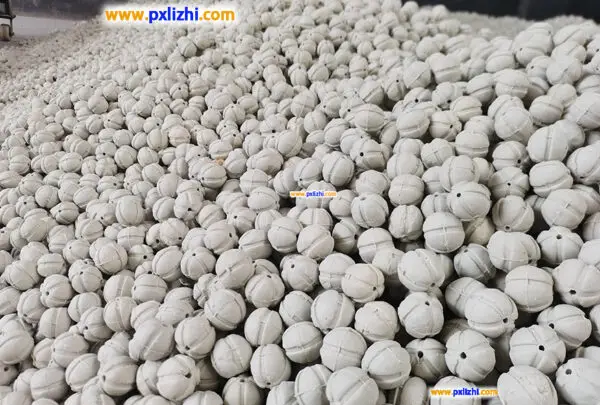
Why Do Inert Ceramic Balls Need High Temperature Resistance?
Inert ceramic balls are required to withstand high temperatures in order to meet the demanding conditions of chemical, petrochemical, and metallurgical industrial processes. If their high-temperature resistance is insufficient, they will lose their essential supporting and protective functions and may cause serious operational problems. The key reasons are outlined below, based on real industrial operating conditions.
1. Maintaining Structural Stability and Preventing High-Temperature Failure
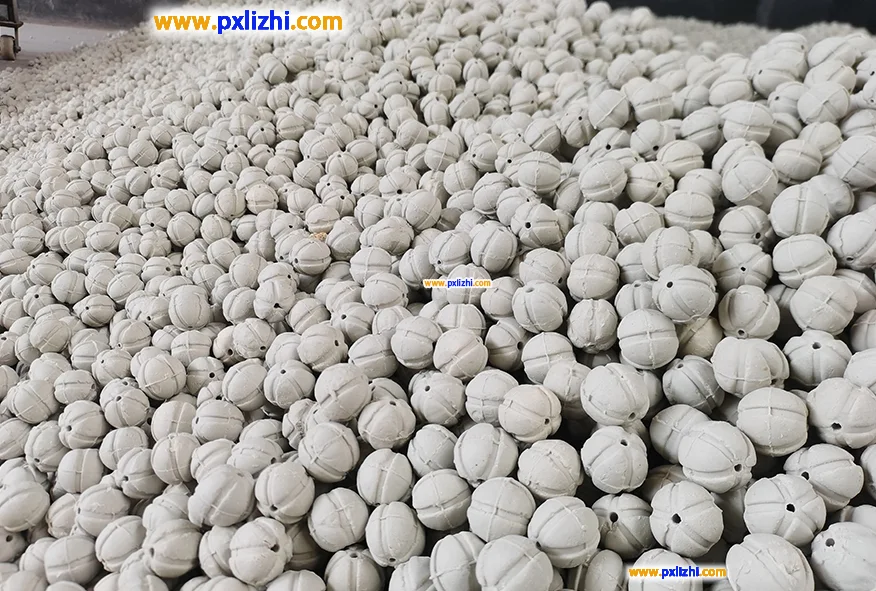
Inert ceramic balls are widely used in reactors, distillation columns, heat exchangers, and other industrial equipment, where they are often exposed to temperatures of several hundred degrees Celsius or even above 1,000 °C, such as high-temperature reaction gases or molten process media.
If high-temperature resistance is inadequate, ceramic balls may sinter, deform, crack, or pulverize under heat. Once this occurs, their compressive strength and wear resistance rapidly decline, leading to the same consequences as insufficient mechanical strength—pipeline blockage, catalyst abrasion, and unstable operation.
2. Preserving Chemical Inertness and Avoiding Side Reactions
The fundamental requirement of inert ceramic balls is chemical stability—they must not react with process media. However, elevated temperatures significantly accelerate chemical reactions.
If ceramic balls lack sufficient high-temperature resistance, their components (such as alumina or silica) may react with acids, alkalis, oxidizing agents, or reactants present in the process. This can contaminate the product, disrupt the reaction system, and cause material loss and structural damage, ultimately eliminating their supporting and separating functions.
3. Adapting to Temperature Fluctuations and Preventing Thermal Shock Damage
Industrial operations commonly involve heating-up and cooling-down cycles. High-temperature-resistant inert ceramic balls are designed with good thermal stability, including a low thermal expansion coefficient and strong resistance to thermal shock.
These properties allow them to withstand rapid temperature changes without cracking or breaking due to internal stress caused by thermal expansion and contraction. If thermal resistance is poor, sudden temperature changes can cause immediate fracture, producing dust and debris that compromise process continuity and equipment safety.
Summary
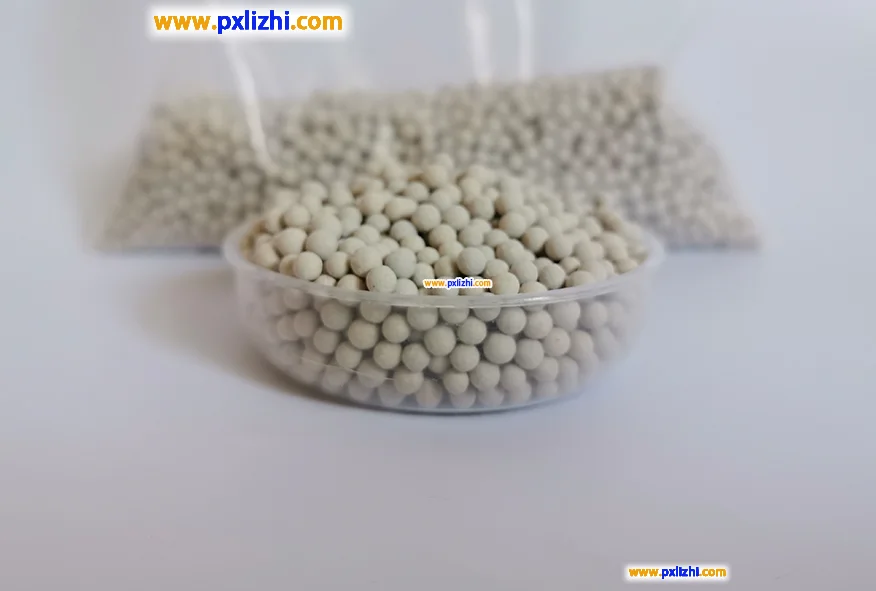
In short, high temperature resistance is a fundamental requirement for inert ceramic balls used in high-temperature industrial processes. It ensures:
-
Long-term structural stability
-
Sustained chemical inertness
-
Reliable performance under temperature fluctuations
Only with sufficient high-temperature resistance can inert ceramic balls continuously and effectively perform their critical roles in supporting, covering, and isolating catalysts over long service cycles.

Reviews
There are no reviews yet.