
 E-mail:lizhi@pxball.cn
How to Evaluate the Quality of Inert Ceramic Balls?
The quality of inert ceramic balls should be evaluated from four essential dimensions:
core performance indicators, appearance and physical properties, batch consistency, and qualification & inspection reports.
By combining laboratory testing with on-site sampling inspections, this approach fully covers real industrial operating requirements while remaining practical and easy to implement. Each dimension builds on the previous one, and none should be overlooked.
1. Core Performance Indicators
(Quality foundation – laboratory testing / report verification)
These indicators determine whether inert ceramic balls can adapt to operating conditions and maintain long-term stability. The following four key properties must meet GB/T 18845 (Industrial Ceramic Balls) standards or specific customized requirements:
● Mechanical Strength
-
Compressive strength:
-
Ø3–10 mm: ≥ 3000 N per ball
-
Ø13–50 mm: ≥ 6000 N per ball
-
-
Abrasion loss: ≤ 0.05%
-
Impact resistance: No breakage or visible cracks after impact testing
These properties prevent pulverization, breakage, and dust generation during operation.
● High-Temperature Resistance and Thermal Stability
Select the appropriate grade according to operating temperature:
-
Low-alumina ceramic balls: ≤ 600°C
-
Medium-alumina ceramic balls: ≤ 800°C
-
95% high-alumina ceramic balls: ≤ 1600°C
Good thermal shock resistance is essential. Qualified ceramic balls should not crack under rapid temperature changes.
● Chemical Inertness
High-alumina ceramic balls (Al₂O₃ ≥ 92%) contain fewer impurities and remain stable in acidic, alkaline, and high-temperature corrosive environments.
Low-alumina ceramic balls are only suitable for non-corrosive conditions and may otherwise contaminate process media or fail prematurely.
2. Appearance and Physical Properties
(On-site quick inspection – incoming material screening)
Randomly select samples (≥ 50 balls per batch) and perform visual and simple physical checks. No defects indicate acceptable baseline quality.
● Appearance Quality
-
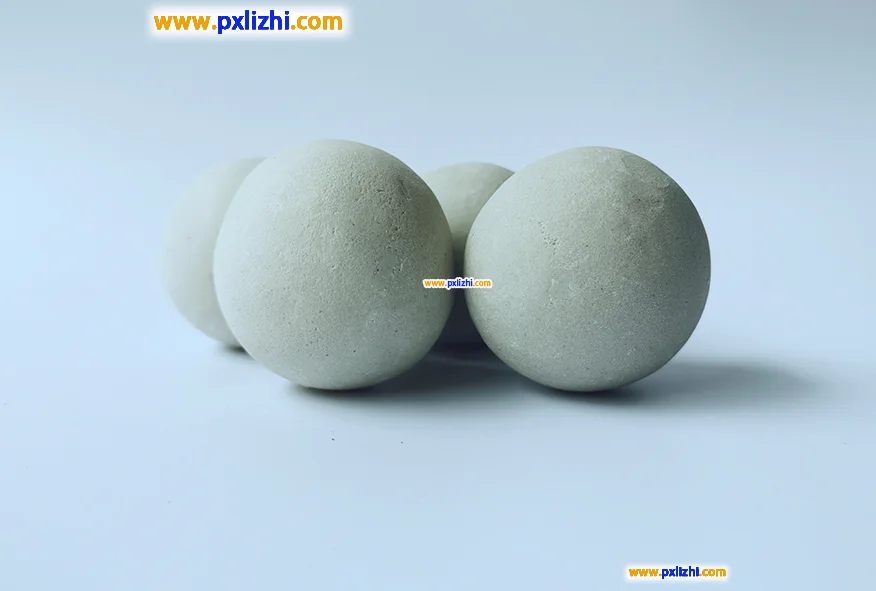
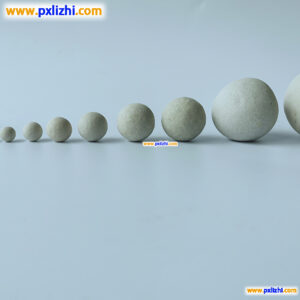
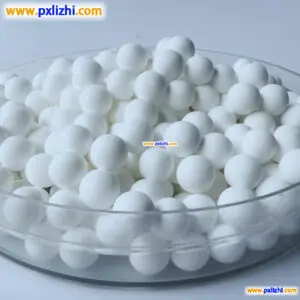
Smooth surface with no cracks, chips, edge breakage, delamination, bulging, or visible pores
-
Clear, crisp sound when lightly tapped together
(A dull sound usually indicates internal pores or layered defects, suggesting insufficient strength)
● Dimensional Accuracy and Density
-
Diameter deviation within ±0.5 mm for the same batch
-
No obvious deformation
-
Similar weight when handled by hand; denser ceramic balls feel heavier and generally have better strength
● Simple Practical Testing
-
Drop test: Roll or drop from 1–2 meters onto a hard surface without breakage or debris
-
Stacking compression test: Stack several balls and apply moderate pressure; no cracking or deformation should occur
3. Batch Consistency
(Overall quality assurance – avoiding isolated defects)
Passing tests on a few samples does not guarantee overall batch quality. Batch uniformity must be verified to prevent quality fluctuations caused by raw material mixing or process instability.
-
Uniform appearance and color: No obvious color differences within the same batch
(Significant color variation often indicates inconsistent raw materials or firing conditions) -
Consistent performance indicators: Random samples from different positions in the batch should show ≤ 5% deviation in compressive strength and abrasion loss
-
Intact packaging: No moisture damage, impact marks, internal debris, or ceramic dust
(Moisture may weaken structure; transport impact can cause hidden micro-cracks)
4. Qualifications and Inspection Reports
(Quality traceability – formal assurance)
For externally sourced ceramic balls, complete documentation is essential to ensure traceable and reliable quality.
● Manufacturer Qualifications
-
Business license and production permit
-
Process certification corresponding to high-alumina materials, if applicable
● Inspection Reports
-
Issued by an authorized third-party laboratory or the manufacturer’s certified lab
-
Must include Al₂O₃ content, compressive strength, abrasion loss, and temperature resistance
-
Report number must be verifiable and within the validity period
● Warranty and After-Sales Support
Reputable manufacturers provide a quality guarantee statement, clear performance commitments, and defined replacement or return policies. Products without warranty support should be treated with caution.
Simple Summary
High-quality inert ceramic balls can be identified by:
✔ Verified test reports with qualified performance indicators
✔ Defect-free appearance
✔ No damage in simple on-site testing
✔ Consistent quality across the entire batch
On-site inspection allows quick preliminary judgment, while laboratory testing provides precise confirmation.
Most importantly, select low-, medium-, or high-alumina ceramic balls based on actual operating conditions, rather than blindly pursuing the highest specifications—this ensures reliable performance while controlling overall cost.

Reviews
There are no reviews yet.