
 E-mail:lizhi@pxball.cn
What Are the Consequences of Poor Strength in Inert Ceramic Balls?
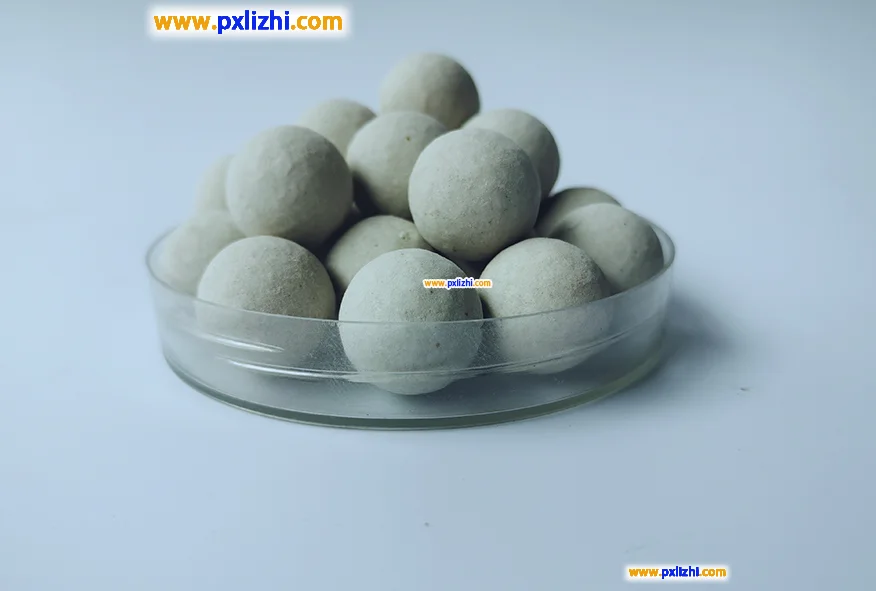
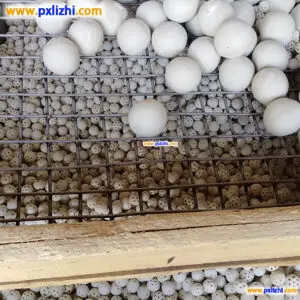
If inert ceramic balls have insufficient mechanical strength, they can trigger a series of serious chain reactions in industrial equipment. The main consequences include the following:
1. Easy Breakage and Pulverization, Causing Equipment Blockage
Low-strength inert ceramic balls are prone to cracking, breaking, and turning into fine powder during operation. The resulting ceramic dust can clog pipelines, distributors, and reactors, leading to increased system pressure drop. This not only disrupts stable operation but may also force unplanned shutdowns for cleaning and maintenance.
2. Failure to Effectively Support and Protect Catalysts
Inert ceramic balls are designed to support and cover catalyst beds. Once they break, they can no longer provide stable support. This causes direct abrasion, compression, or collapse of the catalyst layer, resulting in reduced catalytic activity, premature catalyst deactivation, and significantly higher operating and replacement costs.
3. Downstream Equipment Wear and Product Contamination
Broken ceramic fragments and fine dust may be carried into downstream processes with the process media. This can contaminate final products and accelerate wear on pumps, heat exchangers, and other equipment, increasing maintenance frequency and overall operational costs.

Reviews
There are no reviews yet.