
 E-mail:lizhi@pxball.cn
What is Inert Ceramic Ball for Catalysts? | FAQ
What is Inert Ceramic Ball for Catalysts?
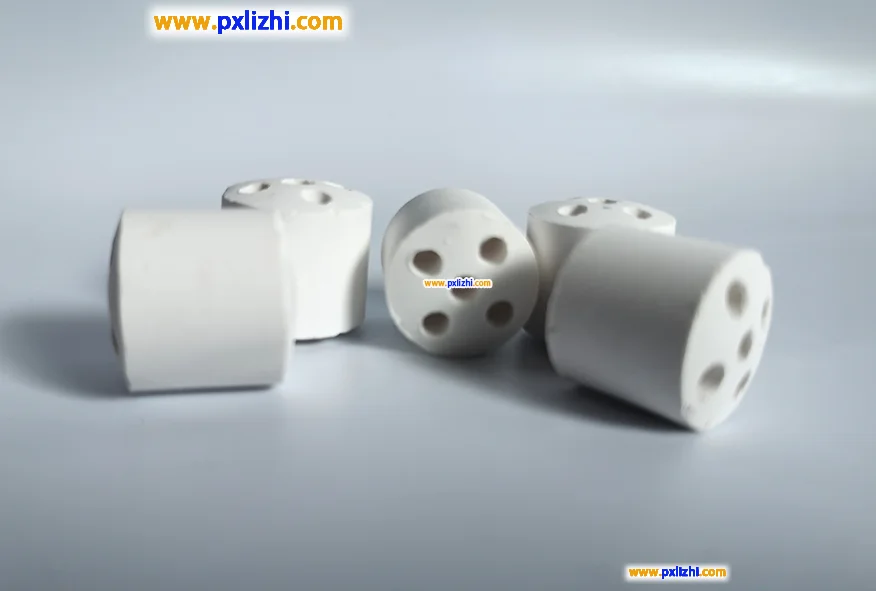
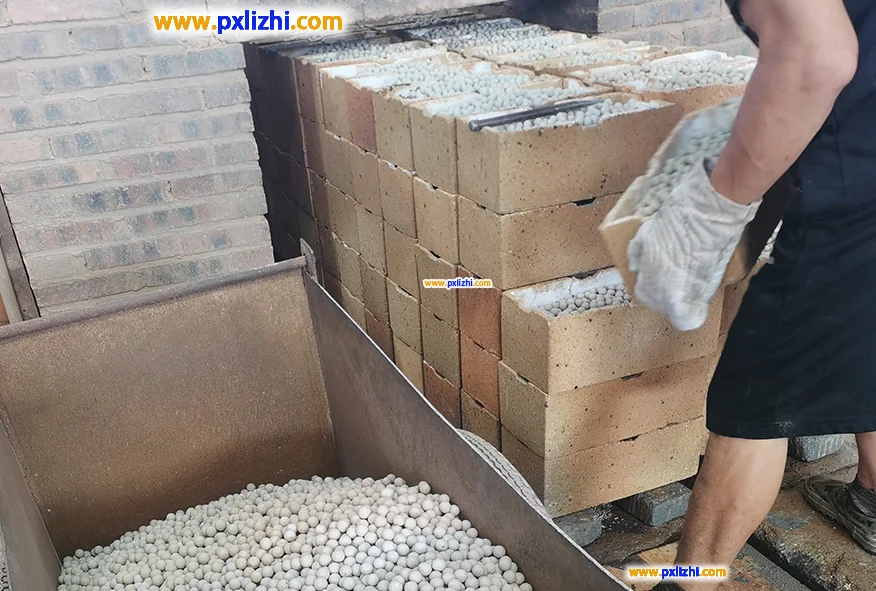
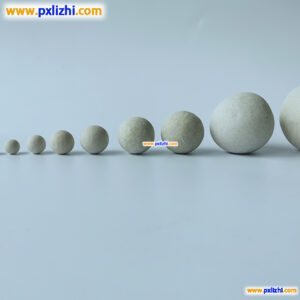
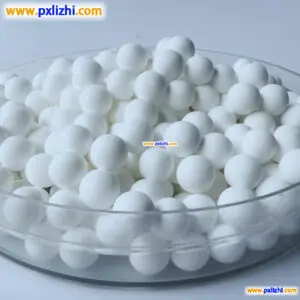
Inert ceramic balls for catalysts are ceramic spheres sintered at high temperatures using raw materials such as alumina, kaolin, and quartz. They have extremely strong chemical inertness, high mechanical strength, and are resistant to high temperatures, high pressures, acids, and alkalis. They do not participate in any chemical reactions during use and are mainly used as supporting, protective, and flow-distributing materials for catalyst beds in reactors.
Inert Ceramic Ball for Catalysts FAQ
Q1: What are the characteristics of inert ceramic balls for catalysts?
A1: Strong chemical inertness (does not participate in reactions), high mechanical strength, resistance to high temperature and pressure, acid and alkali corrosion, and uniform texture.
Q2: What are the application scenarios of inert ceramic balls for catalysts?
A2: They are mainly used in reactors in fields such as petrochemical industry, coal chemical industry, environmental protection, and fine chemical industry, as supporting, protective, and flow-distributing materials for catalyst beds.
Q3: What are the specifications of inert ceramic balls for catalysts?
A3: The core specifications are divided into two categories: ① Particle size: commonly used 5mm, 10mm, 20mm, 30mm, 50mm (customizable on demand); ② Material: ordinary ceramic balls, medium-alumina ceramic balls, high-alumina ceramic balls, corundum ceramic balls (divided by alumina content).

Reviews
There are no reviews yet.