
 E-mail:lizhi@pxball.cn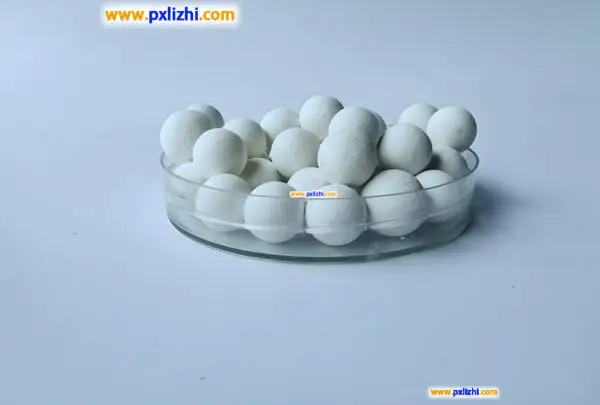
What is Inert Support Ceramic Ball? Its Functions and Applications?
I. What is Inert Support Ceramic Ball
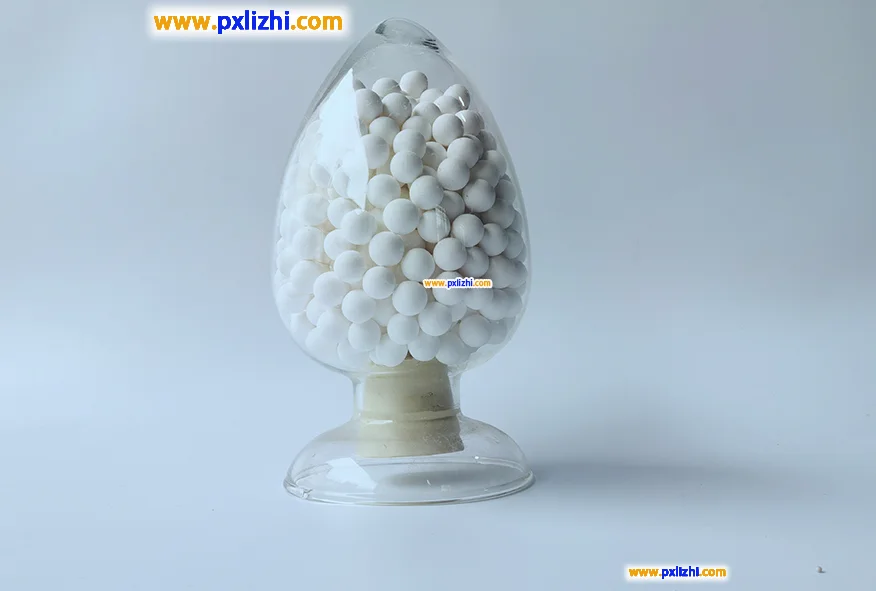
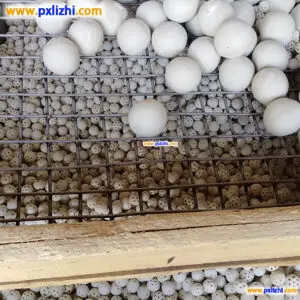
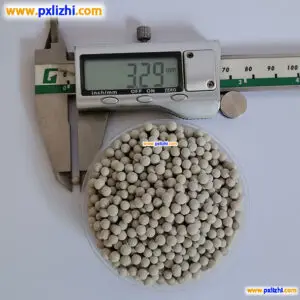
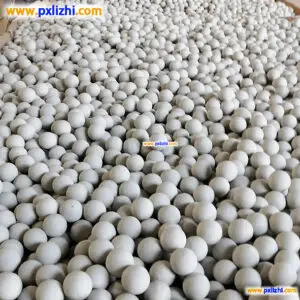
Inert support ceramic balls are ceramic spheres sintered at high temperatures using raw materials such as alumina, kaolin, and quartz. They have strong chemical inertness, high temperature and pressure resistance, acid and alkali corrosion resistance, and high mechanical strength. They do not participate in chemical reactions and only play a physical supporting role.
II. Main Functions
-
Catalyst Support: Bear the weight of the catalyst bed in the reactor to prevent the catalyst from sinking or compaction.
-
Catalyst Protection: Buffer the impact of fluid to avoid catalyst breakage and loss; top coverage can prevent small-particle catalysts from being lost with materials.
-
Uniform Flow Distribution: Improve the gas-liquid distribution in the reactor, reduce channeling and bias flow, and enhance reaction efficiency.
-
Pressure Drop Reduction: Reasonable grading and gaps reduce the resistance of fluid passing through, saving energy and reducing consumption.
-
Filling and Isolation: Fill the dead volume of equipment, isolate different packings/catalysts, and stabilize system operation.
III. Application Fields
-
Petrochemical Industry: Fixed-bed reactors, catalytic cracking, hydrocracking, synthetic ammonia/methanol plants.
-
Coal Chemical Industry: Reactors and purification systems related to coal gasification and coal liquefaction.
-
Environmental Protection Engineering: Desulfurization and denitrification, waste gas treatment towers, and supporting layers of water treatment filter beds.
-
Natural Gas/Fine Chemical Industry: Natural gas purification, fine chemical synthesis reaction towers, and gas drying systems.
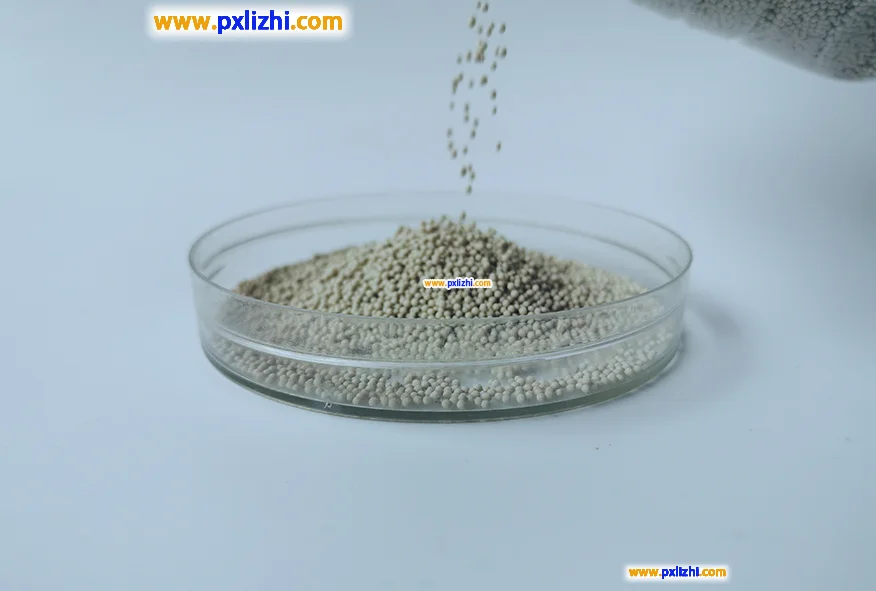
IV. Supplementary Points
(1) Selection Points for Different Materials
-
Ordinary Ceramic Balls (alumina content 30%-45%): Suitable for normal temperature and pressure, weak corrosion scenarios, such as ordinary water treatment filter beds and low-pressure waste gas treatment towers, with high cost performance.
-
Medium-Alumina Ceramic Balls (alumina content 60%-75%): Suitable for medium temperature and pressure, moderate corrosion scenarios, such as synthetic ammonia plants and conventional catalytic reaction beds, balancing strength and cost.
-
High-Alumina Ceramic Balls (alumina content ≥90%): Suitable for high temperature and pressure, strong corrosion scenarios, such as hydrocracking and coal gasification reactors, with the best mechanical strength and corrosion resistance, and higher cost.
(2) Common Particle Size Grading Rules
-
Grading Principle: From the bottom of the reactor to the catalyst bed, the particle size of ceramic balls decreases step by step to form gradient support, avoiding catalyst loss and reducing pressure drop.
-
Common Grading Combination (from top to bottom): 50mm→30mm→20mm→10mm→5mm (adjust according to reactor diameter and catalyst particle size).
-
Note: The particle size of ceramic balls should be 2-3 times larger than that of catalysts, and the bed height is usually 0.5-1 times the reactor diameter to ensure uniform flow distribution.
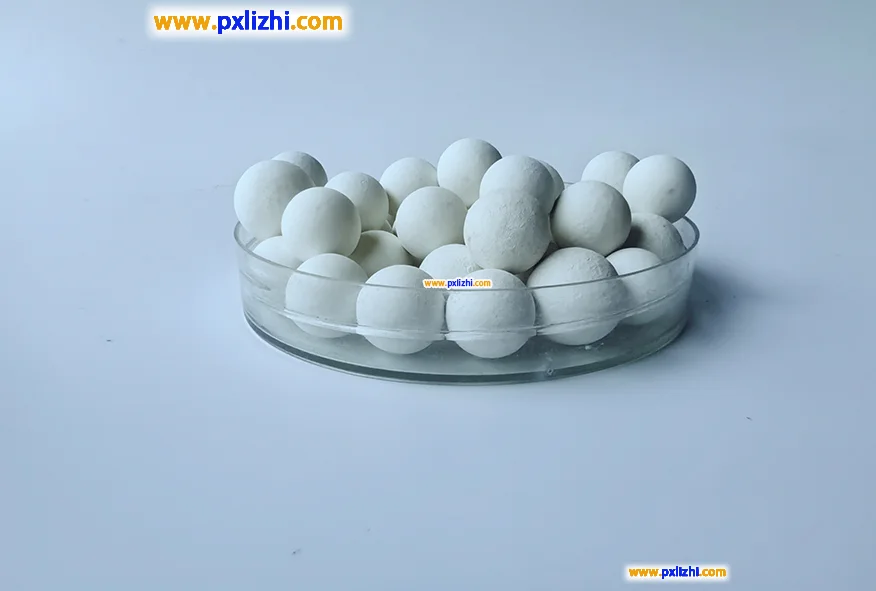
Inert Support Ceramic Ball

Reviews
There are no reviews yet.